Exhaust thermal insulation blankets and wraps are essential components in managing and reducing the heat emitted from exhaust systems. Whether used in industrial environments, automotive applications, or marine vessels, these specialized coverings help enhance safety, improve efficiency, and protect nearby components from heat damage.
Understanding what these insulation solutions are, how they work, and their benefits can provide valuable insights for anyone looking to optimize their exhaust systems. Additionally, knowing how much heat these wraps can reduce and their expected lifespan helps in making informed decisions about their use and maintenance.
You might also read:
What are Exhaust Thermal Insulation Blankets?
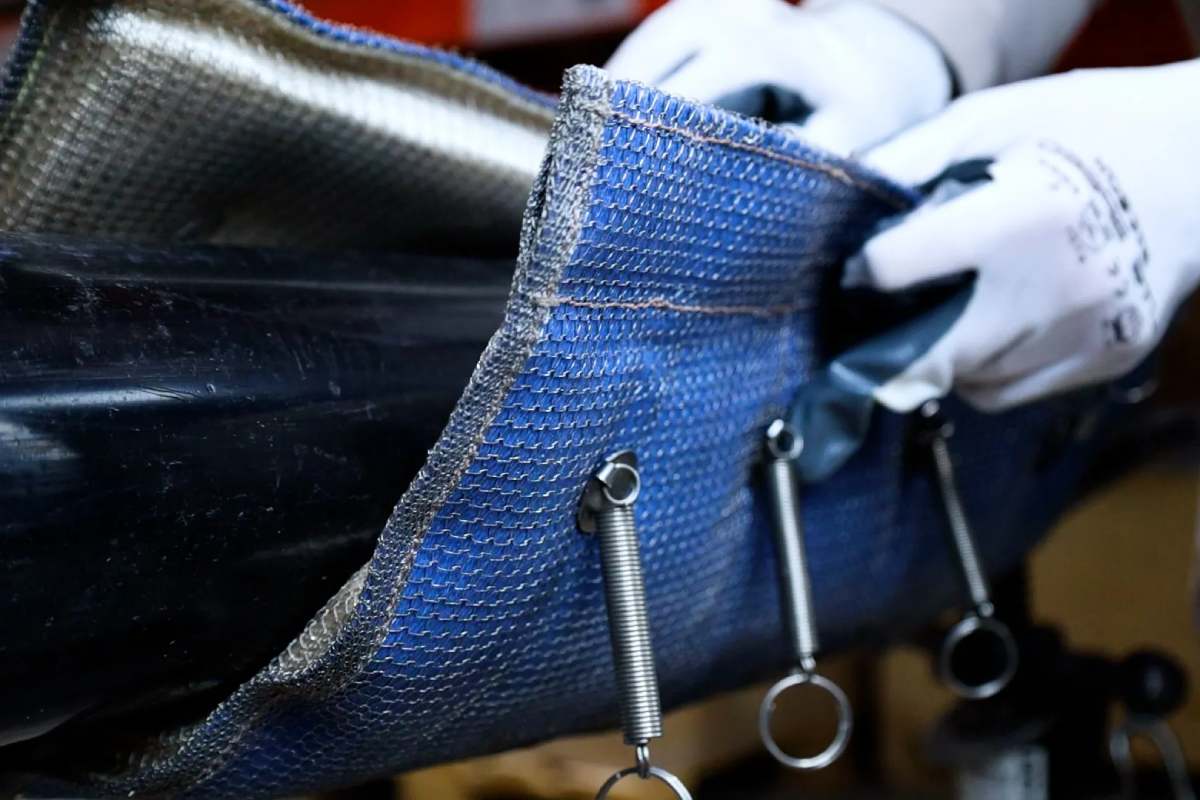
Exhaust thermal insulation blankets are specialized coverings designed to manage and reduce the heat emitted from exhaust systems. These blankets play a crucial role in a variety of settings, including industrial environments, automotive applications, and marine vessels.
Their primary function is to contain the heat produced by exhaust gases, preventing it from radiating into the surrounding areas. This helps improve the safety, efficiency, and overall performance of the equipment or vehicle.
What Are Exhaust Thermal Insulation Blankets Made Of?
Exhaust thermal insulation blankets are typically constructed from high-temperature-resistant materials. These materials can include:
- Fiberglass: Often used due to its excellent heat resistance and durability. It’s a common material in many thermal insulation products.
- Silica Fabric: Known for its ability to withstand extremely high temperatures, making it ideal for intense heat environments.
- Ceramic Fiber: Provides high insulation properties and can handle very high temperatures, often found in industrial applications.
- Stainless Steel Mesh: Sometimes used to provide additional strength and durability to the blanket, ensuring it can withstand harsh conditions.
How Do They Work?
These blankets work by trapping the heat within the exhaust system, reducing the amount of heat that escapes into the surrounding environment. This process involves multiple layers of insulating material that absorb and reflect the heat, keeping the surface of the blanket relatively cool. The insulation not only keeps the external temperature down but also helps maintain the internal temperature of the exhaust gases, which can improve the efficiency of the system.
Benefits of Using Exhaust Thermal Insulation Blankets
- Heat Reduction: One of the primary benefits is the significant reduction in heat transfer to the surrounding areas. This is particularly important in confined spaces where excessive heat can be dangerous or damaging to other components.
- Improved Efficiency: By keeping the exhaust gases hot, these blankets can improve the efficiency of the exhaust system. Hotter gases flow more smoothly and can enhance the performance of turbochargers and catalytic converters.
- Safety: Lowering the surface temperature of exhaust components reduces the risk of burns and other heat-related injuries. This is especially important in environments where workers may come into contact with hot surfaces.
- Noise Reduction: Insulating the exhaust system can also help dampen noise, providing a quieter operation. This is beneficial in both industrial settings and automotive applications where noise control is crucial.
- Protecting Surrounding Components: By containing the heat within the exhaust system, nearby components and materials are protected from heat damage. This can extend the lifespan of other parts and reduce maintenance costs.
Applications of Exhaust Thermal Insulation Blankets
- Automotive: In cars and trucks, these blankets are used to insulate exhaust manifolds, headers, and turbochargers. This helps to enhance performance and protect other engine components from heat damage.
- Industrial: In factories and plants, insulation blankets are used on boilers, pipes, and other high-temperature equipment to improve safety and efficiency.
- Marine: On ships, exhaust insulation is crucial to prevent heat from spreading to other parts of the vessel, which can be a significant safety hazard.
- Power Generation: In power plants, especially those using turbines, insulation blankets help manage the heat produced, ensuring safe and efficient operation.
Installation and Maintenance
Installing exhaust thermal insulation blankets requires some expertise to ensure they fit correctly and provide maximum insulation. They are often custom-made to fit specific components, ensuring a snug fit that maximizes their effectiveness. Brands like Mammoth Equipment Caterpillar Exhaust Parts offer high-quality, custom-fit solutions that help achieve this goal.
Regular maintenance is also important to check for wear and tear and to ensure they continue to provide adequate insulation.
How Much Heat Does an Exhaust Wrap Reduce?
Exhaust wraps are designed to significantly reduce the amount of heat radiated by exhaust systems. The exact amount of heat reduction can vary based on the type of wrap, the materials used, and the specific application, but here are some general guidelines:
Heat Reduction Capabilities
- Surface Temperature Reduction: Exhaust wraps can reduce the surface temperature of exhaust pipes by up to 50%. This means that if the surface of an unwrapped exhaust pipe is 600°C, the surface temperature of the wrapped pipe could be reduced to around 300°C or lower.
- Heat Radiation Reduction: By containing the heat within the exhaust system, wraps can reduce the amount of heat radiated into the surrounding environment by as much as 70%. This reduction helps to keep engine compartments, interiors, and nearby components cooler.
Factors Influencing Heat Reduction
- Material Quality: High-quality wraps made from materials like titanium, fibreglass, or volcanic rock can provide superior heat resistance and insulation, leading to greater heat reduction.
- Thickness of the Wrap: Thicker wraps offer better insulation and thus more significant heat reduction. Some wraps come in multiple layers or are designed to be applied in multiple layers for enhanced performance.
- Coverage Area: The extent to which the exhaust system is covered by the wrap will also affect heat reduction. Complete coverage ensures maximum heat containment, while partial coverage may result in less effective heat management.
- Application Technique: Proper installation is crucial for optimal performance. Wrapping the exhaust tightly and securely ensures that the insulation is effective. Gaps or loose wrapping can reduce the efficiency of the heat reduction.
Benefits of Heat Reduction
- Enhanced Performance: By keeping the exhaust gases hotter, wraps can improve the flow of gases, which can enhance engine performance, particularly in turbocharged or high-performance engines.
- Improved Safety: Lower surface temperatures reduce the risk of burns and heat-related injuries, making the environment safer for mechanics and operators.
- Protection of Components: Reduced heat radiation protects other engine components, wiring, and hoses from heat damage, potentially extending their lifespan and reducing maintenance costs.
- Comfort: In automotive applications, reducing the heat in the engine compartment can help keep the cabin cooler, enhancing comfort for passengers and drivers.
Practical Considerations
When choosing and applying an exhaust wrap, consider the specific requirements of your application. High-performance vehicles, industrial machinery, and marine equipment may have different needs regarding the level of insulation required. Additionally, regular inspection and maintenance of the wraps are essential to ensure they remain effective over time.
How Long Do Exhaust Wraps Last?
The lifespan of exhaust wraps can vary significantly based on several factors, including the quality of the material, the operating environment, and the maintenance practices. Here are some general guidelines:
Factors Affecting the Lifespan of Exhaust Wraps
- Material Quality:
- Fiberglass Wraps: Typically last between 1 to 3 years. They are affordable and provide good insulation but may degrade faster under extreme conditions.
- Titanium Wraps: Known for their durability and higher heat resistance, these can last 3 to 5 years or longer, even in high-performance applications.
- Silica and Ceramic Fiber Wraps: These are highly durable and can last up to 5 years or more, especially in industrial settings where they are designed to withstand intense heat.
- Operating Environment:
- High-Performance Engines: Engines that run at higher temperatures and under more stressful conditions can cause wraps to degrade faster.
- Exposure to Elements: Constant exposure to moisture, oil, and other contaminants can reduce the lifespan of the wraps.
- Installation Quality:
- Proper installation is crucial for maximizing the lifespan of exhaust wraps. Poorly applied wraps with gaps or loose sections are more likely to wear out quickly.
- Using stainless steel ties or clamps to secure the wrap can also enhance durability.
- Maintenance:
- Regular inspection and maintenance can help extend the lifespan of exhaust wraps. Checking for signs of wear, fraying, or damage and addressing these issues promptly can prevent further degradation.
Signs of Wear and When to Replace
- Fraying and Unraveling: Over time, the edges of the wrap may start to fray or unravel. If this becomes extensive, it can compromise the insulation effectiveness.
- Discolouration: While some discolouration is normal due to heat exposure, significant changes in colour can indicate the material is breaking down.
- Brittleness: If the wrap becomes brittle and starts to crack or break apart, it’s time to replace it.
- Loss of Insulation Properties: If you notice increased temperatures around the exhaust system despite the wrap, it may no longer be providing adequate insulation.
Extending the Lifespan
- Quality Wraps: Invest in high-quality wraps from reputable manufacturers, especially if you’re using them in high-performance or industrial applications.
- Proper Installation: Ensure the wrap is applied tightly and evenly, with no gaps or loose sections. Use appropriate securing methods like stainless steel ties.
- Regular Maintenance: Inspect the wraps regularly and perform any necessary maintenance. Clean off any oil, grease, or contaminants that may have accumulated.
- Heat Shields: In some cases, combining wraps with additional heat shields can provide extra protection and extend the lifespan of the insulation.
Conclusion
To sum it up, thermal insulation blankets and wraps are quite important for managing heat in all kinds of setups. They help a lot by lowering surface temperatures and heat radiation, and this improves performance, and safety, and protects nearby components. The amount of heat they can handle and how long they last depends on things like the quality of the material, how they’re used, and how well they’re taken care of.
If you invest in good-quality wraps, make sure they’re installed right, and keep up with maintenance, they’ll work better and last longer. Brands like Mammoth Equipment and Caterpillar Exhaust Parts offer really solid and long-lasting solutions, if you’re looking to keep your exhaust systems running smoothly and safely.


